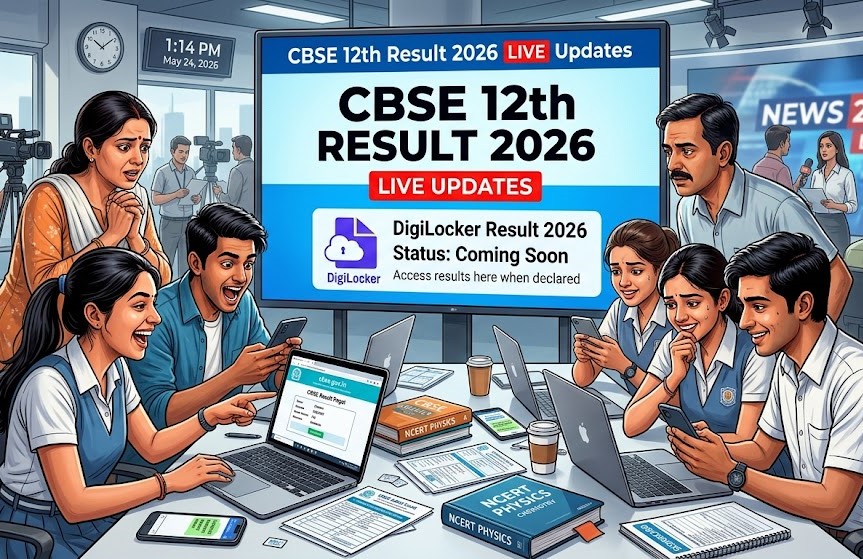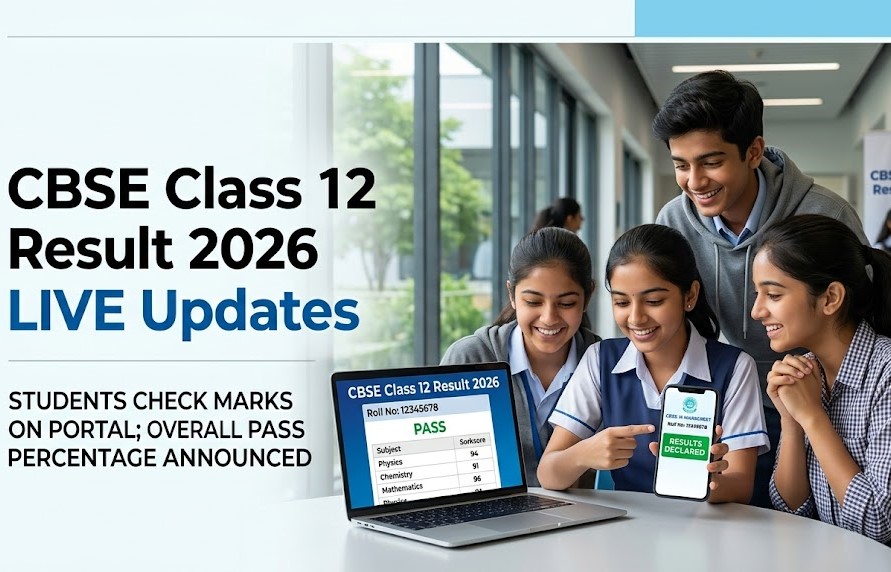










Every year, the announcement of the results of the CBSE Class XII examinations plays an extremely pivotal role in the life of lakhs of students in India. While some feel jubilant about having performed well academically and securing admission to reputed universities, there are many who are dejected, stressed, and demoralized after receiving the results. The current year has also seen discussions regarding academic pressure, unrealistic expectations, and the psychological consequences of mark-based assessment among the younger generation.
In the lives of many students, the Class XII board examinations hold immense significance. These examinations act as a gateway for university education, scholarship programs, and employment prospects. Therefore, students invest countless hours in rigorous preparation, giving up on leisure, adequate rest, and socialization to obtain good grades. However, when they fall short of expectations upon receipt of the results, the psychological blow can be devastating.
Some students were disappointed with their scores after obtaining lower grades than expected, even though they had prepared for months. They believed that the internal exams and board exams before the main test boosted their confidence; therefore, the results became a shock to them. A number of students have complained about the assessment method, saying that their performance in subjects they thought they excelled in did not match the grades received.
The parents also find themselves torn between worry and perplexity. While some parents inspire their children and advise them to take a positive approach, others put unnecessary pressure on their children without realizing by comparing them with other students or relatives. Educational psychologists say that such comparisons may be harmful to the psychological well-being of students.
While the issue of students’ psychological well-being has gained a lot of attention in recent times, there is no doubt that the competition involved in board exams produces excessive stress among students. For students, one examination decides their future and causes them to worry, doubt themselves, and be anxious. Scholars have found that the education system is still based largely on the notion that marks define intelligence.
Social media has played an important role in making these results emotionally draining for some students. While they scroll through social media posts of friends and classmates boasting about their scores and success, students who haven’t performed up to expectations might feel left out and inadequate.
It has been stressed by teachers and school counselors that the marks scored by students in board exams should not be treated as the only parameter for their performance. It is important to note here that a number of successful individuals from the fields of business, arts, and politics are examples of the fact that success cannot be achieved only through good scores but through skills, perseverance, adaptability, and continued learning.
The new National Education Policy has emphasized the significance of minimizing the focus on exams and shifting attention towards overall development. Nevertheless, the reality shows that competitive examinations, cut-offs, and society’s perception keep pushing the importance of marks. This leads to extreme mental tension among students at the time of announcing the results.
Psychologists suggest that parents and guardians need to communicate with their children during this phase. In addition to grades and scores, effort, resilience, and self-development should be recognized in children. This way, students will have the opportunity to take a positive approach towards failure and save themselves from emotional trauma in the future.
Psychologists also suggest that students should not make rash decisions or feel that poor academic performance indicates the end of opportunities in the future. There are a number of career options that students can choose based on their interests and abilities.
Further, educationalists have recommended reforms in the evaluation system in order to lighten the burden of board examination. This may involve the use of more flexible assessments and methods of evaluation and focusing on practical aspects along with the concept. It is believed that cutting down on the unnecessary hype regarding the board examinations would do wonders for students’ mental state.
Even amidst this wave of disappointment among several students, there are instances of success stories and determination coming up from the same batch of results. Many students who have failed to make the grade are now making plans about other careers for themselves or joining other educational institutions to prepare themselves for entrance exams.
Counselling sessions have been started in various schools to guide students on how to handle their stresses and disappointments. It has become an important aspect for educators to realize that emotional support can play a vital role during such important times as well.
The debate over the CBSE Class XII result is not only a discussion about scores but also a debate on India’s education system and social norms. Although academic success is highly valued, students should also be taught to build self-confidence, creativity, critical thinking skills, and emotional strength.
With each new class of students who have had their share of emotional turmoil due to board exams, experts continue to caution parents and society that a test result cannot decide the value of someone’s life and future success. Failure and disappointment in one part of life lay the foundation for growth, maturity, and success in the future.
In future, education reforms, enhanced mental wellness facilities, and an expanded definition of success will hopefully contribute towards easing the stress caused by examinations. Until then, students will benefit from understanding that there is more to life than what can be captured by percentages.